
Best overall

JOI AI
#1
9.7/10
JOI AI earns the broadest app-style pick here because it pairs a real free tier with voice calls, custom companions, and fast persona setup before you decide whether to pay.
18+ directory · hands-on tested · editors' own scores
CategoryUpdated October 202620 tools tested
We review mobile and web companion apps for conversation quality, memory, voice, billing clarity, discreet use, and what the free tier actually unlocks. For this category, value matters as much as chemistry.
Our top pick
JOI AIOur score: 9.7/10

Reviewed by Mirela PetrescuLead Editor, Companion Chat & RoleplayLast updated

Top rated right now
Ranked by scoreQuick picks
Best overall
#1
9.7/10
JOI AI earns the broadest app-style pick here because it pairs a real free tier with voice calls, custom companions, and fast persona setup before you decide whether to pay.

Best mobile app
OurDream AI stands out for actual iOS and Android apps plus web access, with voice messages, custom companions, and photo-real visuals starting at $9.99/mo.

Best for memory
Candy AI is the strongest fit when you want longer-running companion use, thanks to long-term memory, multiple personality presets, and a custom avatar builder.

Best free starter
Love Companion AI is an easy first stop if you want to test companion chat without paying upfront, with free access, memory, custom characters, and discreet use.

Best for consistency
Nectar AI fits readers who care about a companion staying visually and conversationally coherent, combining long-term memory with consistent character media and voice.

Best budget phone app
iGirl is the lowest-cost true mobile pick here at $6.99/mo, with daily conversation, voice notes, and a mood system that suits light everyday use.
AI companion apps chat means apps built for ongoing one-to-one conversations with an adult fictional AI persona, usually with memory, custom traits, and sometimes voice or images. This category is for adults who want more continuity than a general chatbot gives, whether you care most about casual conversation, role-led chats, or a more relationship-like dynamic.
The gap between a decent app and a frustrating one is usually not the model headline. It is whether the persona stays consistent, whether memory survives the next session, and how much the paywall cuts out. In this category, we pay close attention to what free use feels like, where billing becomes vague, and whether account and deletion controls are easy to find before you spend.
As of November 2026, these apps are splitting into clearer lanes. Some lean into voice and fast replies on mobile. Others put more effort into persona builders, longer memory, or looser role constraints on the web. AI companion apps chat has improved at staying in character, but weak memory, blurred upgrade prompts, and uneven privacy controls still separate the keepers from the ones we would skip.
Side by side
We compare these companion platforms on the behaviors that matter most in app-style use: whether the persona stays steady, how much control you get over the companion, whether memory helps from one session to the next, and how usable voice feels. These are our editorial assessments from re-testing in November 2026, so check each app's current terms before you pay.
| Tool | Our score | Persona stability | Companion control | Memory carryover | Voice usefulness | Free tier | Starting price | Platforms | Review & visit |
|---|---|---|---|---|---|---|---|---|---|
| 1JOI AI | 9.7 | Partial | Strong | Limited | Strong | Yes | Freemium | Web | Visit site |
| 2OurDream AI | 9.4 | Partial | Strong | Limited | Partial | Yes | $9.99/mo | Web · iOS · Android | Visit site |
| 3Candy AI | 9.3 | Strong | Strong | Strong | Partial | No | $12.99/mo | Web · iOS · Android | Visit site |
4 Lovescape | 9.2 | Partial | Strong | Limited | Partial | Yes | $12.99/mo | Web | Visit site |
| 5Nectar AI | 9.1 | Strong | Strong | Strong | Partial | Yes | $9.99/mo | Web | Visit site |
6 Golove AI | 9.0 | Partial | Partial | Limited | None | Yes | $9.99/mo | Web | Visit site |
| 7Love Companion AI | 8.9 | Partial | Strong | Strong | None | Yes | Free / Freemium | Web | Visit site |
8 Naughty AI | 8.9 | Partial | Strong | Strong | None | Yes | Free / Freemium | Web | Visit site |
9 AIGFModel | 8.9 | Partial | Strong | Strong | None | Yes | Free / Freemium | Web | Visit site |
10 NSFW KI | 8.9 | Partial | Strong | Strong | None | Yes | Free / Freemium | Web | Visit site |
How to read the table
Assessment columns are our editorial judgement from hands-on sessions; free tier, starting price and platforms come from each app's public plans. Policies change, so check each app's current terms.
Ranked by score

Rank 01 · Voice-first trial runs
JOI AI ranks high for AI companion apps because the free tier gives you a real feel for the product, and voice calls make it feel closer to an app-like companion than basic browser chat. Custom companions and selfie generation add variety, but it lacks any stated long-term memory feature, so relationship continuity may feel lighter over time.
Editor's takeA strong all-round pick if you care more about trying voice and persona options cheaply than about deep memory across weeks of chat.
Pros
Cons
Rank 02 · Cross-device companion use
OurDream AI places near the top because it works across web, iOS, and Android while still keeping a free tier, which matters if you want to test fit before subscribing. Voice messages, custom companions, and photo-real image tools make it feel fuller than chat-only apps, though the lack of a stated memory feature may limit how personal it feels in ongoing use.
Editor's takeA practical pick for people who want a real mobile companion app with visuals and voice without jumping straight to a higher monthly price.
Pros
Cons
Rank 03 · Long-running companion bonds
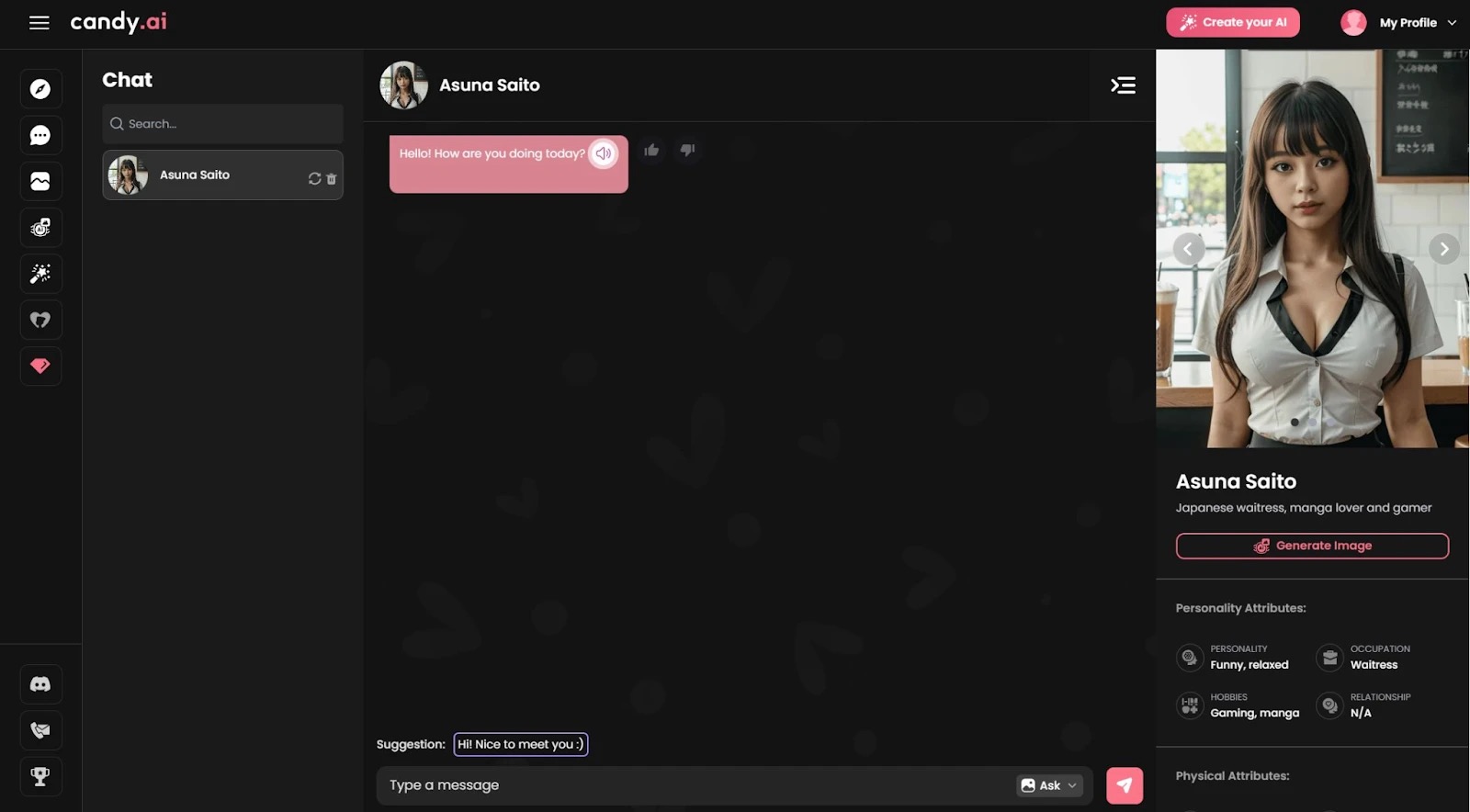
Candy AI scores well here because long-term memory and multiple personality presets support the kind of daily-use companion experience many app shoppers actually want. The custom avatar builder and voice messages help personalize the relationship, but the paid-only entry means you cannot properly test tone or memory fit before committing.
Editor's takeIf your priority is a companion that remembers you and keeps a steadier personality, Candy AI is one of the stronger paid choices despite the lack of a free trial tier.
Pros
Cons
Rank 04 · Prompted romance flows
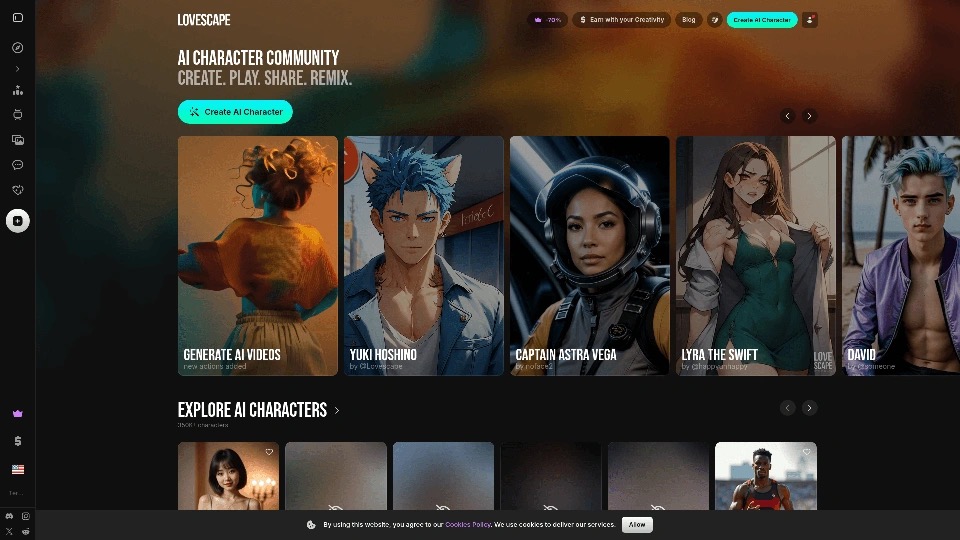
Lovescape works well as an AI companion app because romance scenarios and scene settings reduce setup friction and give the conversation a clearer direction from the start. Voice replies, custom partners, and photo generation add variety, but the guided structure can feel less flexible if you want an all-purpose everyday companion rather than themed sessions.
Editor's takeA good fit if you want a companion app that nudges the interaction forward instead of making you do all the prompting.
Pros
Cons
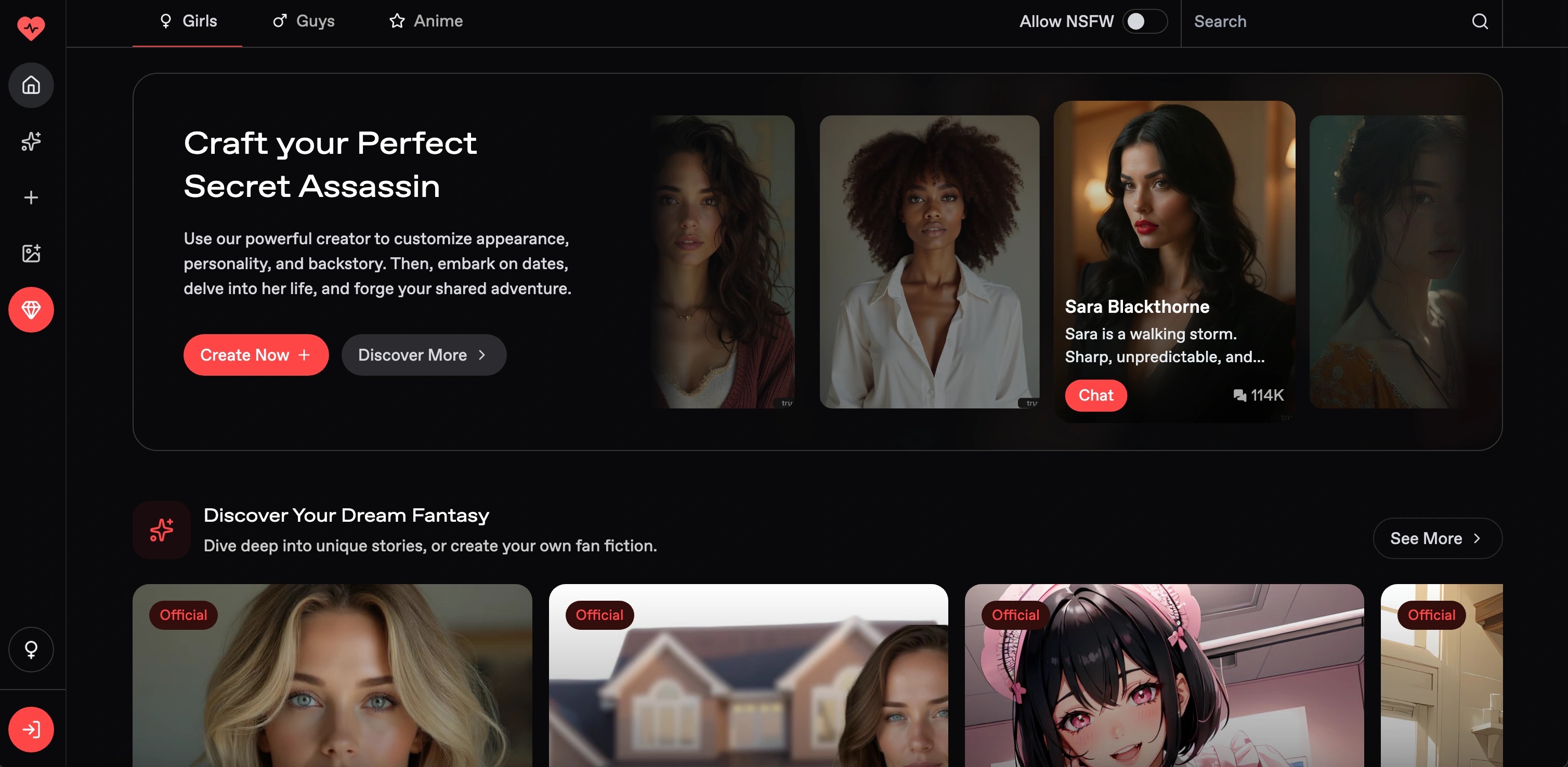
Rank 05 · Coherent character continuity
Nectar AI ranks high for this use because long-term memory and consistent character media work together in a way that suits ongoing companion use better than one-off chats. Photo and voice features deepen the sense of presence, and the $9.99/mo starting price is fair, though web-only access makes it less convenient for people who want a native phone app feel.
Editor's takeNectar AI is one of the better-value picks when your main concern is whether a companion still feels like the same character next week.
Pros
Cons

Rank 06 · Quick custom setup
Golove AI earns a mid-table spot because fast onboarding and a custom AI lover flow make it easy to get a companion running with minimal friction. The $9.99/mo starting price is reasonable and the free tier helps, but without voice or a stated long-term memory layer, it feels more disposable than the stronger app-like companions above it.
Editor's takeWorth a look if you want a low-friction custom companion and do not need much audio or ongoing memory depth.
Pros
Cons
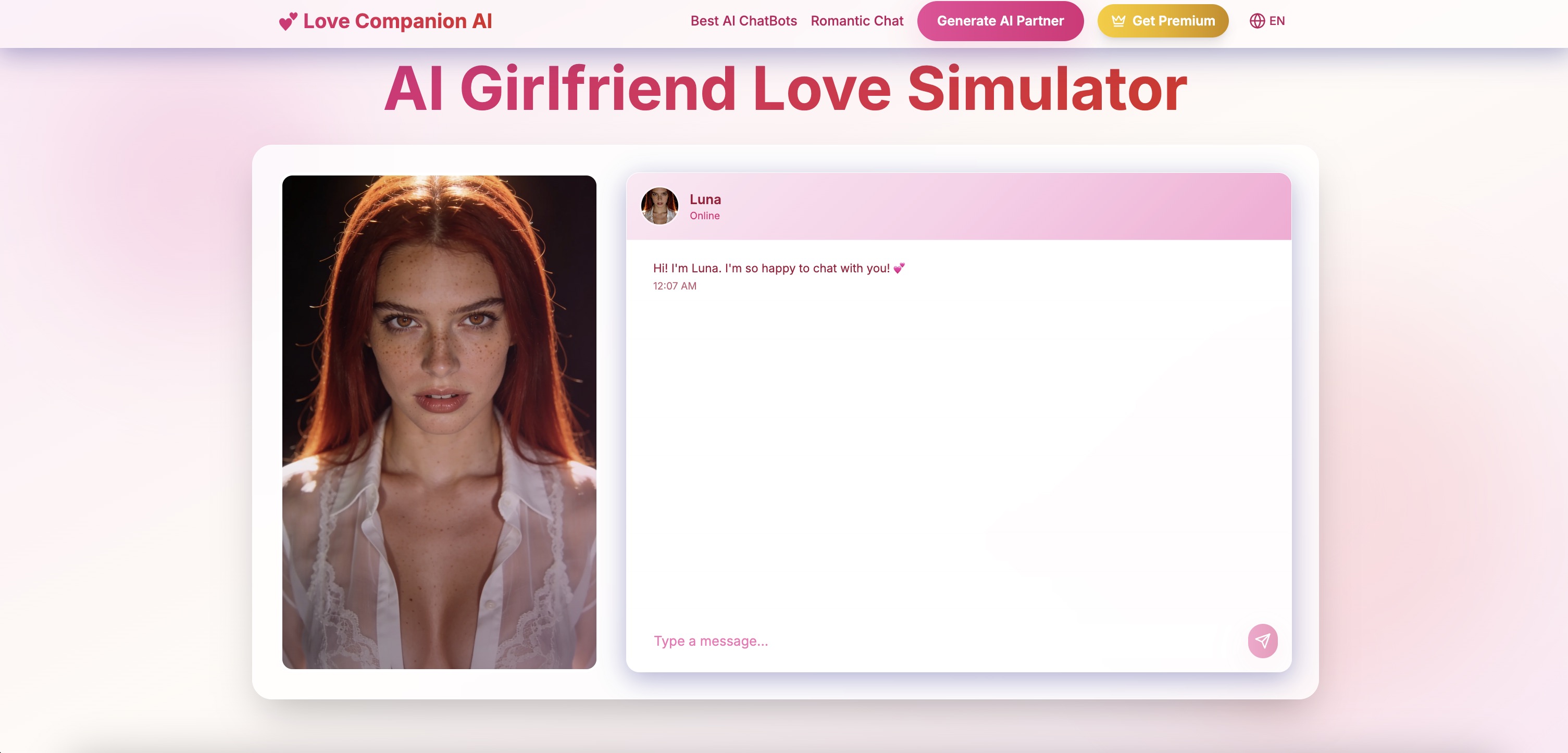
Rank 07 · Discreet free testing
Love Companion AI fits this category because it gives you the basics that matter in a companion app: memory, custom characters, roleplay flexibility, and a private, discreet angle without forcing immediate payment. It ranks below the leaders because there is no voice feature and the experience may lean more toward text sessions than a fuller companion presence.
Editor's takeA sensible starting point if you want to test whether companion chat suits you before paying for richer voice or media tools.
Pros
Cons
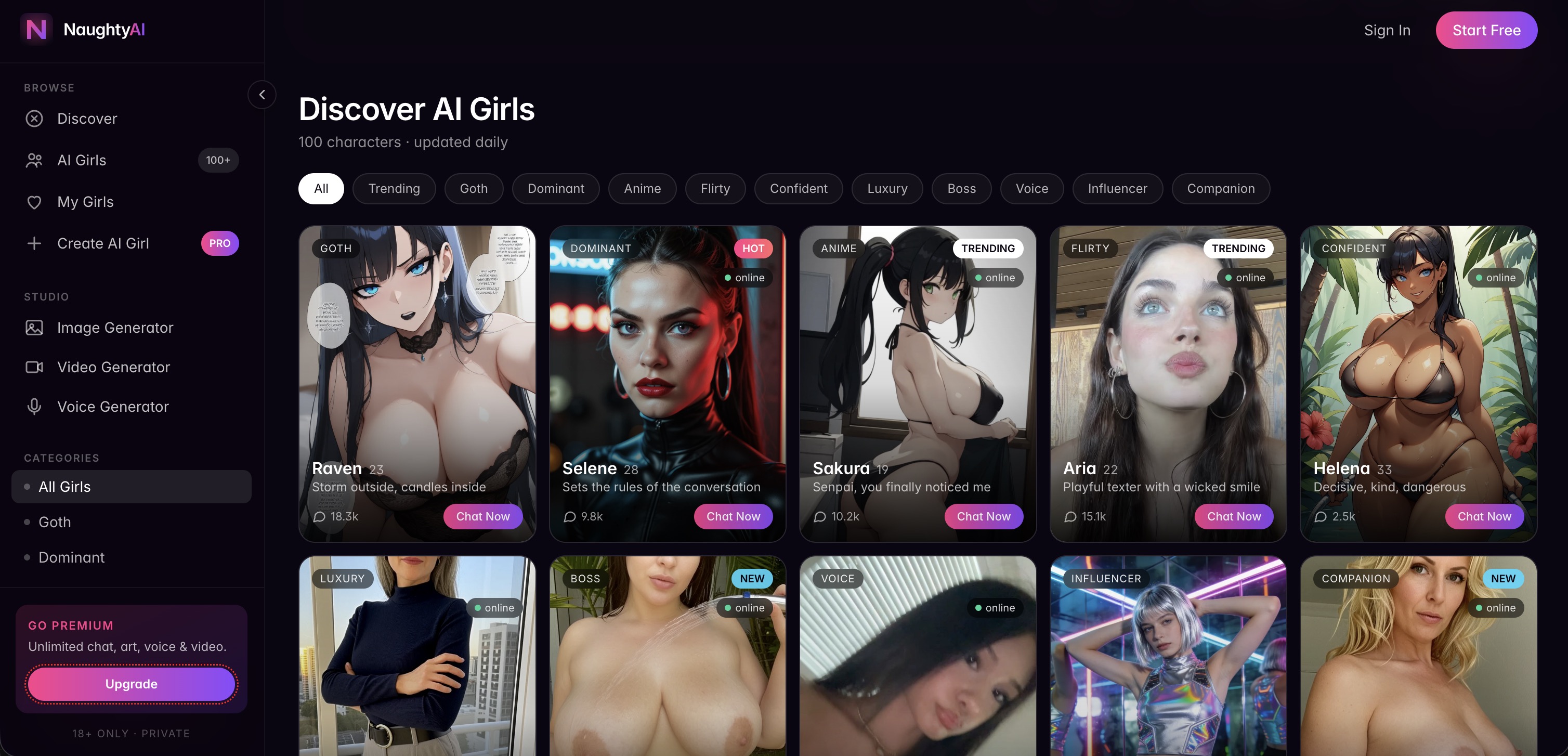
Rank 08 · Free memory checks
Naughty AI performs well enough for AI companion apps because persistent memory and custom characters cover the core needs of repeat-use chat. Its free/freemium entry lowers the risk, but with no voice or richer media layer, it does less to create the fuller app-like companionship that higher-ranked tools manage.
Editor's takeA practical free-first option when you mainly want to see whether the bot remembers you and sticks to a custom setup.
Pros
Cons
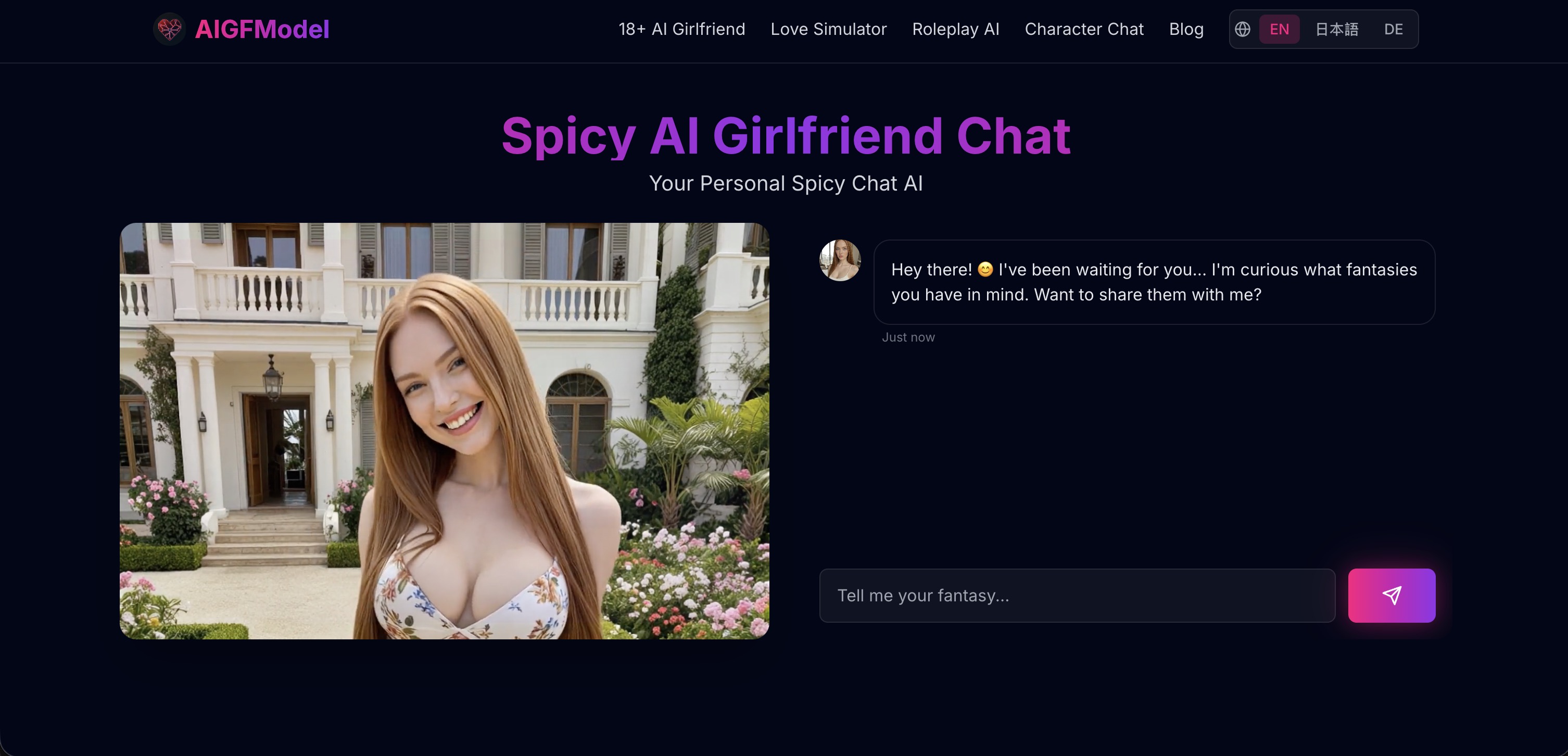
Rank 09 · Private custom chats
AIGFModel works as a companion app alternative because it combines persistent memory, custom characters, and discreet use with a free/freemium starting point. That said, it remains a fairly lean text-first experience, so people looking for voice, richer presence, or more guided personality shaping may outgrow it quickly.
Editor's takeBest suited to readers who want a low-commitment private chat companion and can live without voice or advanced presentation.
Pros
Cons
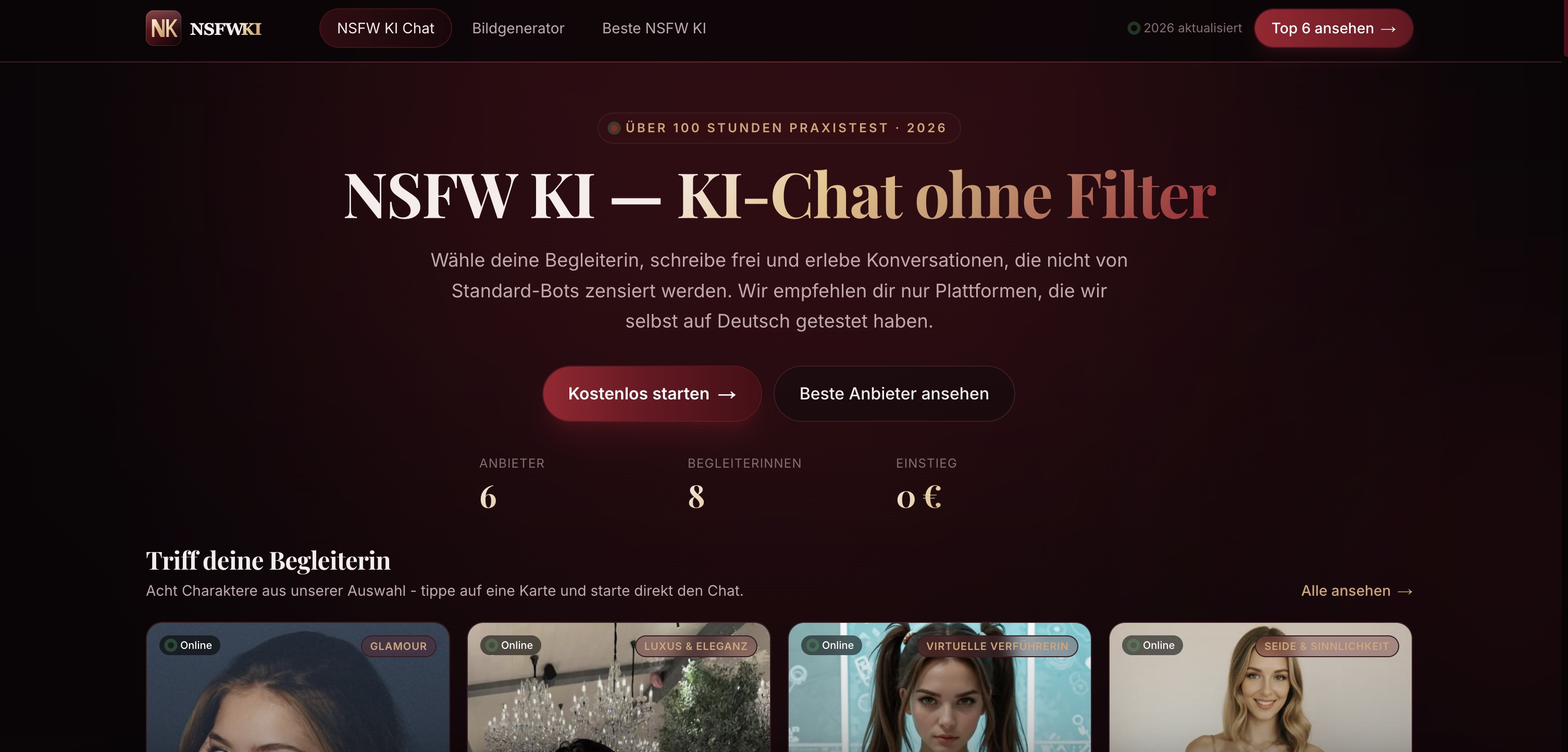
Rank 10 · Browser-based companion trials
NSFW KI is a secondary-fit option for AI companion apps: memory, custom characters, and private use let you shape a recurring companion if you are willing to lead the interaction yourself. It ranks lower because there is no voice feature and no stronger framework for everyday companion routines, so the experience can feel more like open-ended chat than a polished app companion.
Editor's takeUseful if you want a low-cost browser companion you can shape manually, but it is less turnkey than the stronger app-style picks above.
Pros
Cons
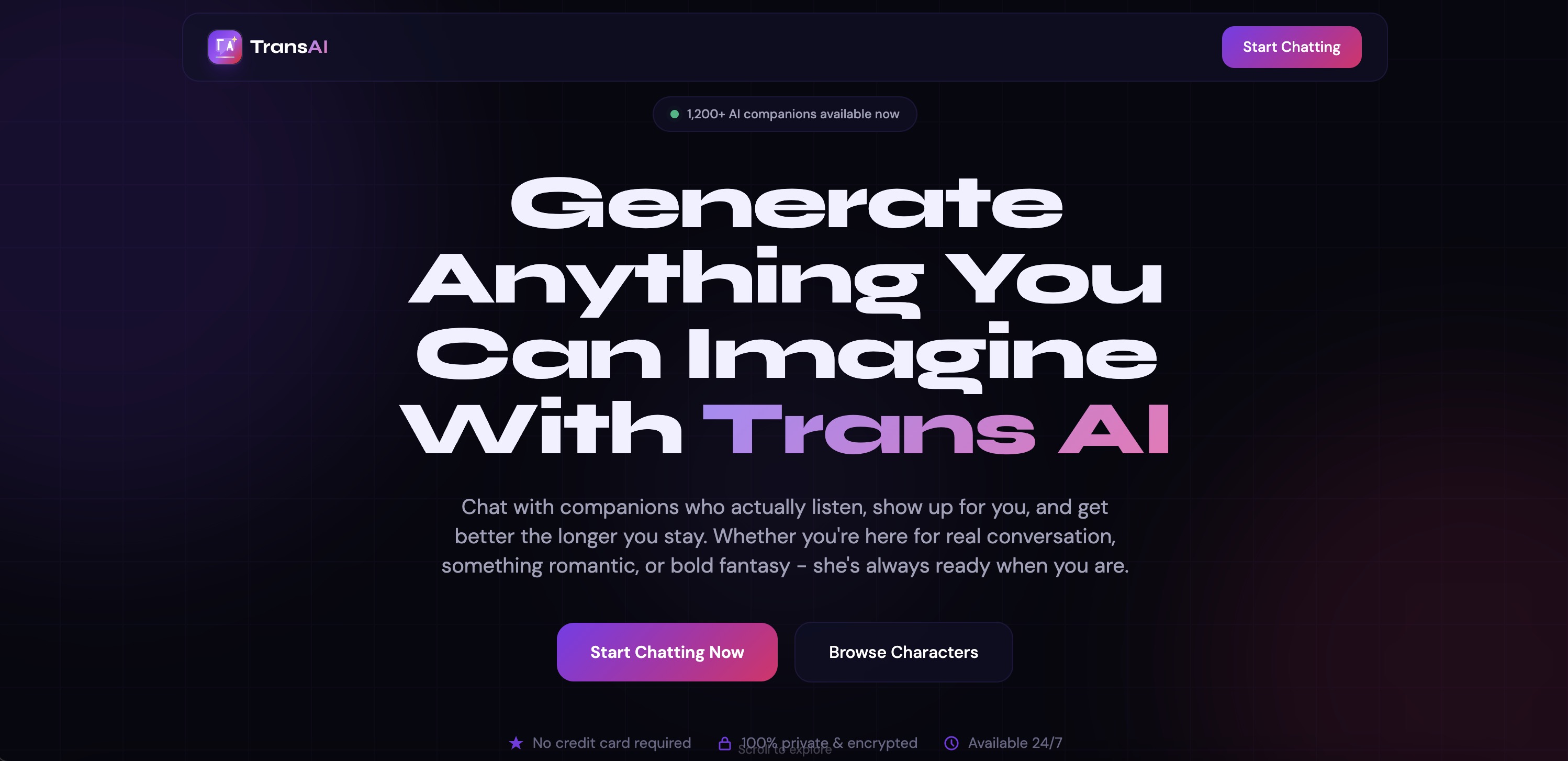

Rank 11 · Low-commitment repeat chats
AI Trans Chat is a secondary-fit choice for AI companion apps because memory, roleplay, and custom characters can support an ongoing one-to-one dynamic without upfront cost. It sits lower for this use because there is no voice or richer media layer, so the companion experience depends heavily on text prompting and your own consistency.
Editor's takeA workable budget entry for recurring companion chat, especially if your priority is privacy and not voice presence.
Pros
Cons
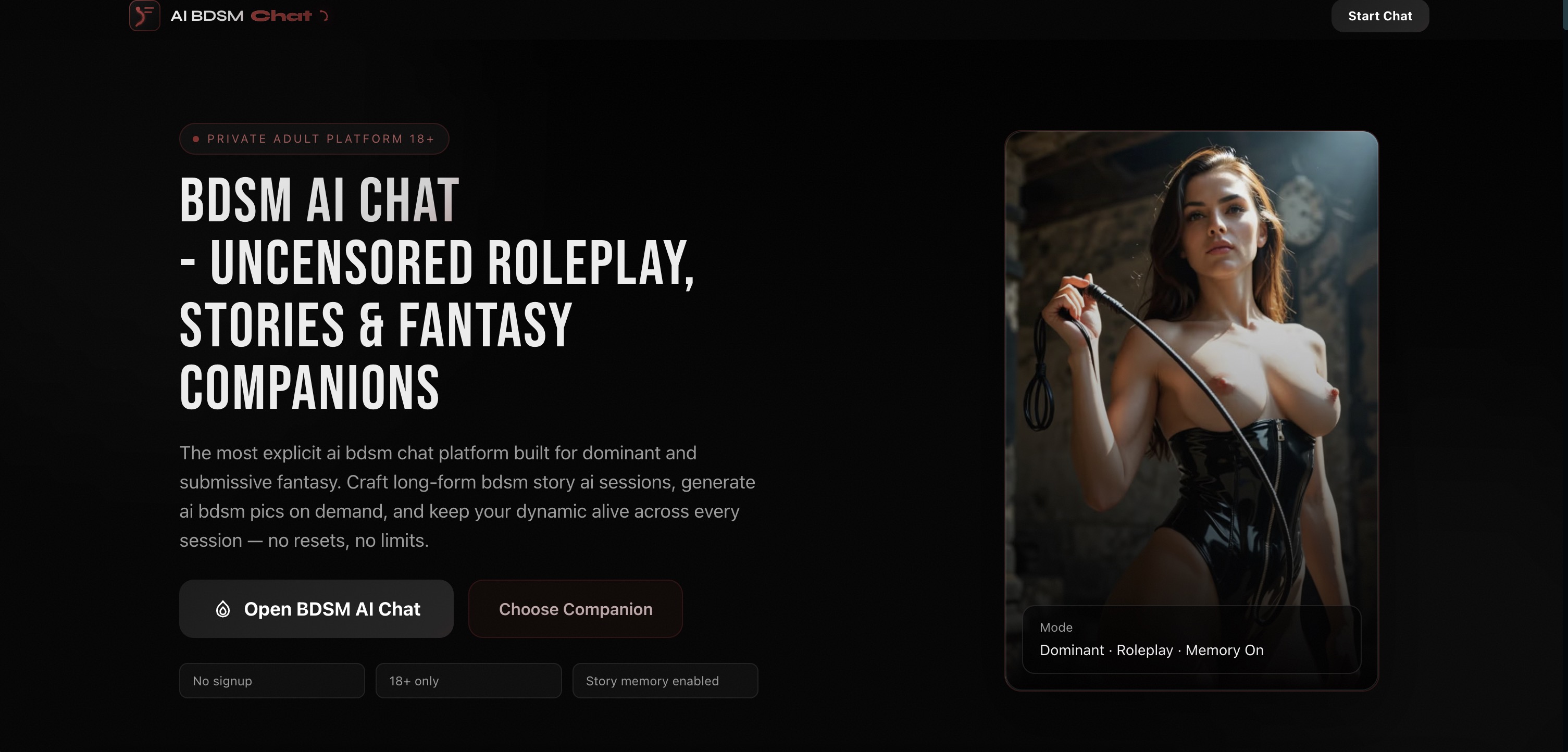

Rank 12 · Rule-led custom dynamics
AI BDSM Chat is another secondary-fit pick: custom characters, memory, and roleplay tools give you enough control to build a recurring companion dynamic. For app-style companionship, though, it lacks the softer everyday features like voice or richer presentation, so it can feel more session-based than relationship-like.
Editor's takeWorth considering if you want strong manual control over the chat dynamic and do not need a polished mobile-style experience.
Pros
Cons


Rank 13 · Stylized character chats
AIGfriend is a secondary-fit option because character creation and custom scenarios let you shape a distinct fictional companion without much upfront cost. It ranks lower for AI companion apps since there is no stated memory layer or voice support, which makes sustained, app-like continuity harder to maintain.
Editor's takeA reasonable pick if you want a highly stylized fictional companion, but weaker if your goal is a steady everyday app companion.
Pros
Cons
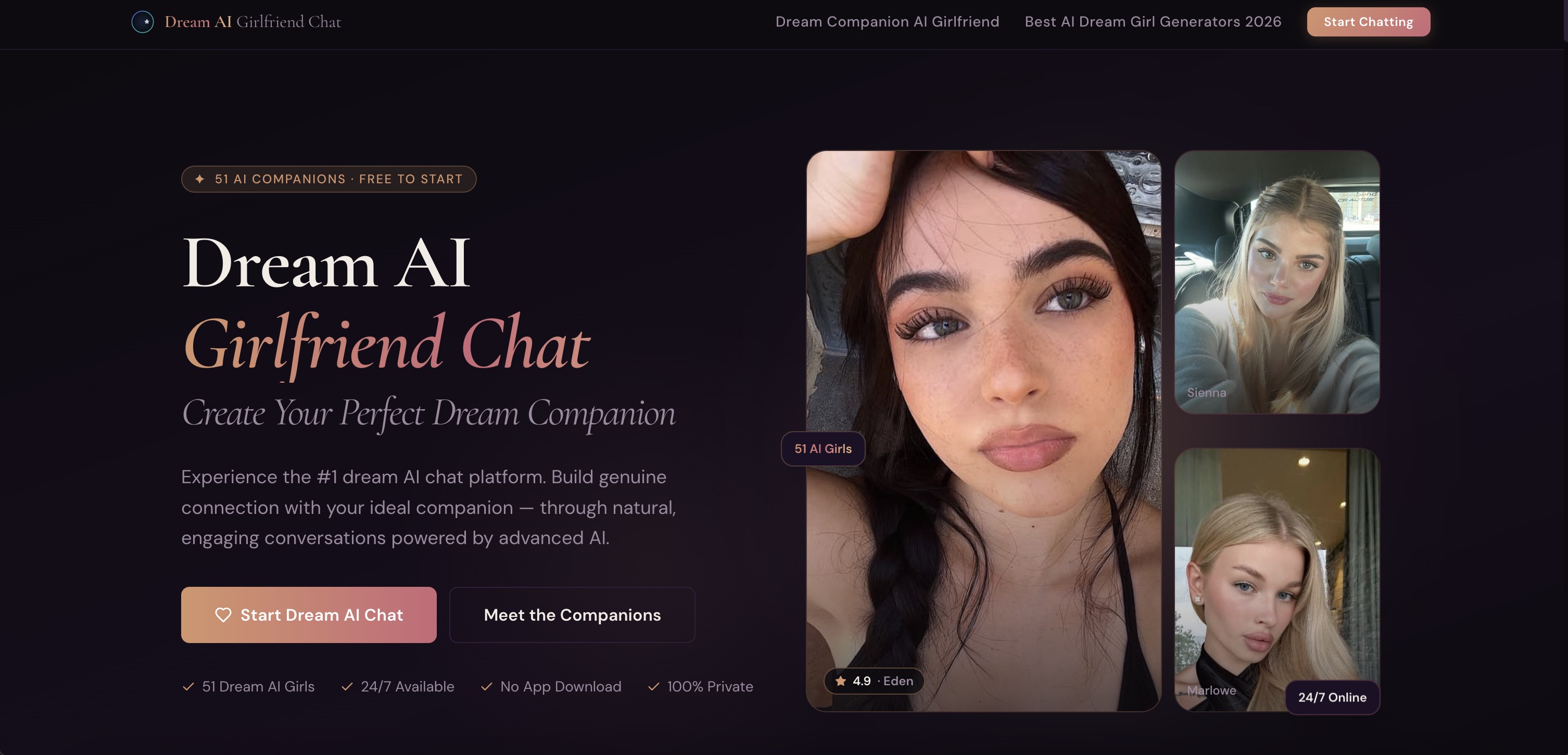

Rank 14 · Free-first companion testing
Dream Girl AI can serve as an AI companion app substitute because memory, custom characters, and discreet use cover the basics for recurring chats. It remains a secondary-fit choice here because the experience appears more centered on open text roleplay than on richer app behaviors like voice, guided routines, or media depth.
Editor's takeUseful for testing whether repeat companion chat works for you, but less rounded than products with voice or deeper presentation features.
Pros
Cons
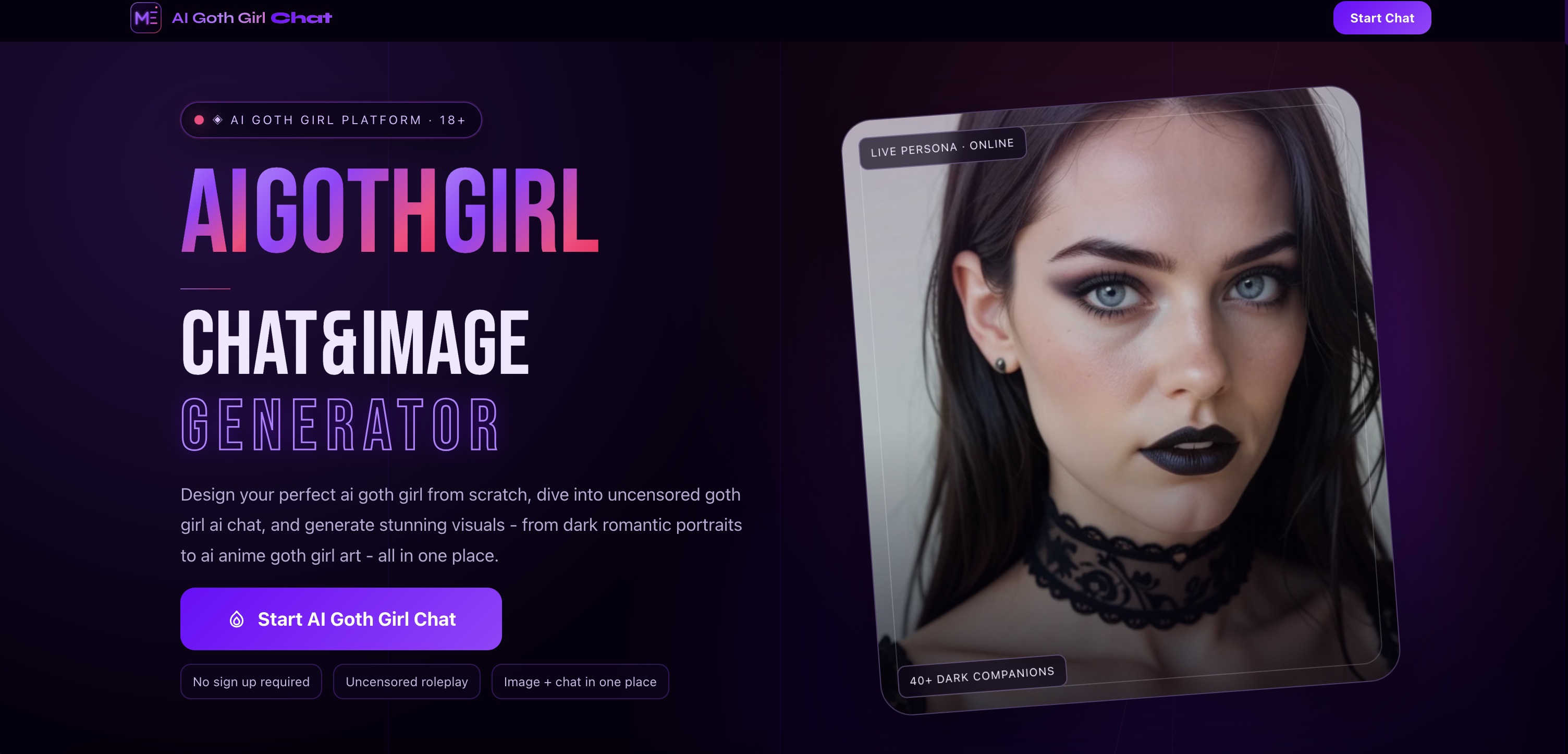

Rank 15 · Lower-paywall experimentation
AI Goth Girl is easiest to justify when you want low-cost companion chat with memory, custom characters, and discreet use from the start. In our checks, that makes it useful for seeing whether an ongoing text-based dynamic can hold together before you pay more. It lands lower because the experience appears narrower than broader companion apps, with no voice and fewer signs of deeper personality control beyond chat and roleplay.
Editor's takeA fair low-risk pick if you want to sample custom companion chat before moving to a more fully featured app.
Pros
Cons
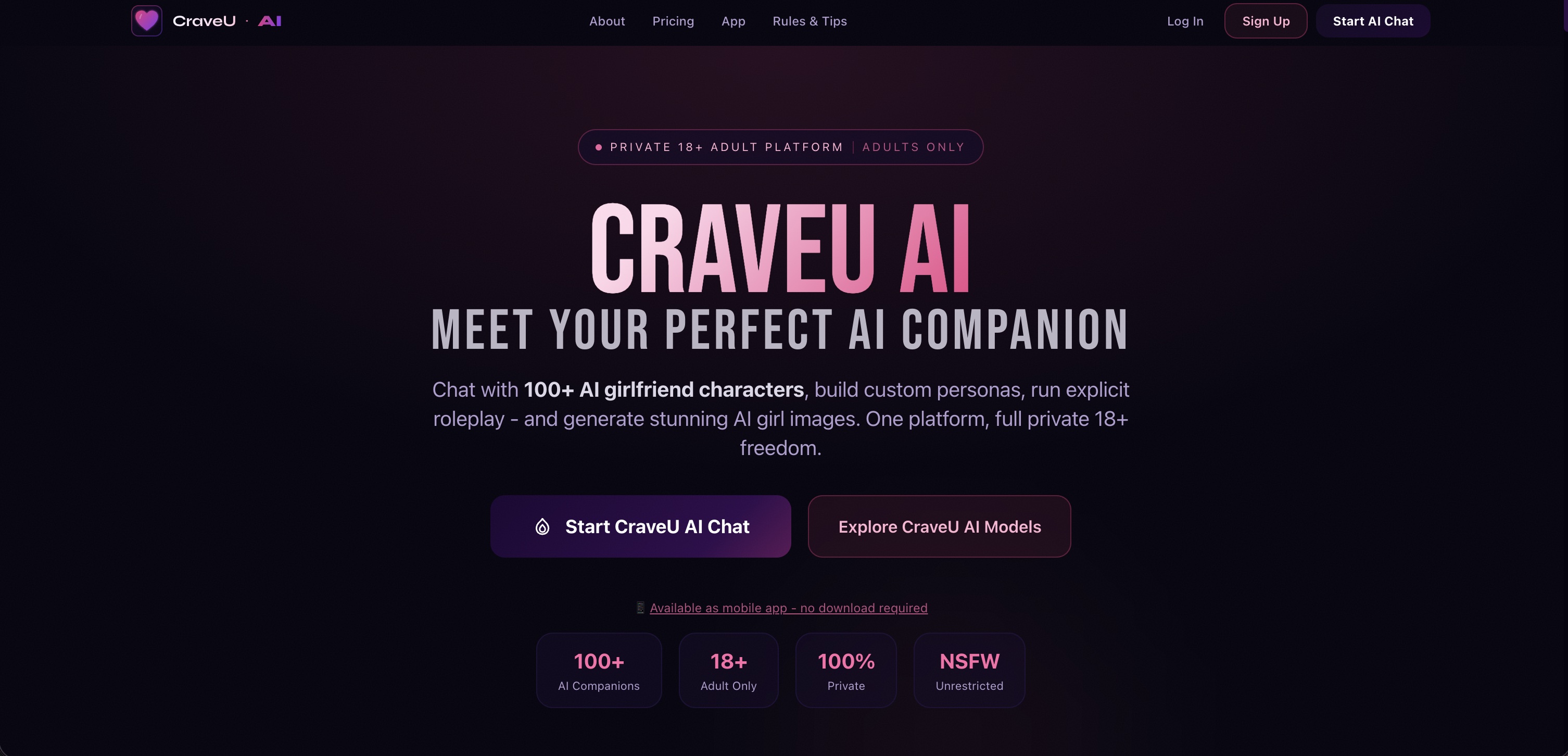

Rank 16 · Privacy-minded custom chat
CraveU AI is a secondary-fit option for AI companion apps because memory, custom characters, and discreet use make repeat one-to-one chat viable at no upfront cost. It lands lower because there is no voice or standout app-like feature to deepen presence, so it can feel more functional than emotionally sticky.
Editor's takeBest for readers who want private recurring chat on a budget and can accept a simpler, text-forward experience.
Pros
Cons


Rank 17 · Text-only companion trials
Creampie AI can still serve companion-app shoppers because memory and custom characters support recurring interactions, and the free/freemium model keeps the cost of testing low. It ranks as a secondary fit since web-only text chat offers less presence and less day-to-day convenience than stronger app-like products.
Editor's takeA decent low-cost way to test recurring companion chat, but better as a trial run than as a polished long-term app substitute.
Pros
Cons


Rank 18 · Memory-first freebies
My Naughty AI earns a spot because persistent memory is useful in companion use, and the free/freemium model makes that easy to probe before spending money. It still ranks lower than the leaders because there is no voice and the overall experience looks more centered on roleplay chat than on a broad companion-app routine.
Editor's takeOne of the better free-first picks if your main question is whether the bot remembers you, not whether it feels like a full mobile companion app.
Pros
Cons
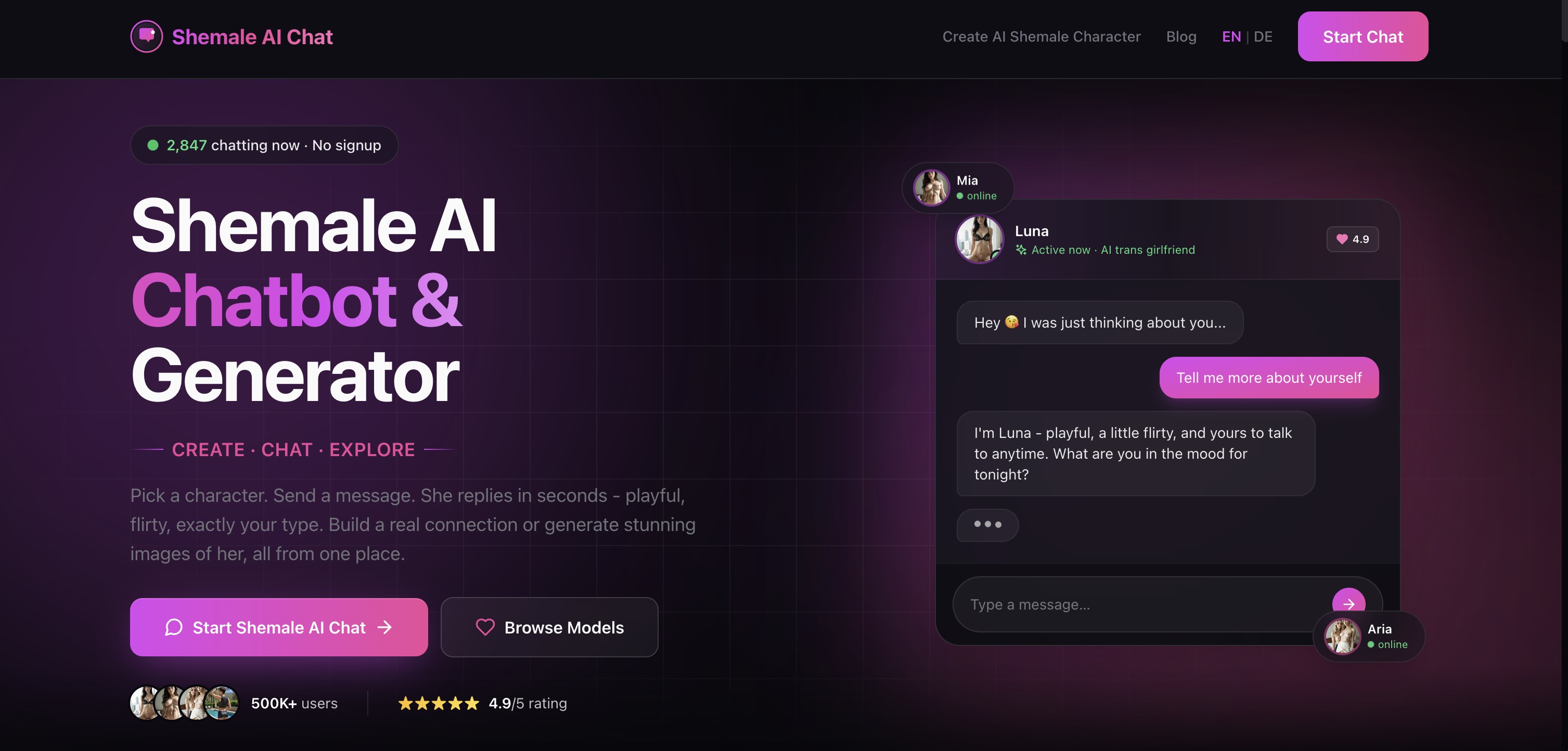

Rank 19 · Private budget companionship
Shemale AI is a secondary-fit option because memory, custom characters, and discreet use give you the minimum ingredients for ongoing companion chat without forcing an upfront subscription. It stays low in this ranking because there is no voice and no richer companion layer to make the interaction feel especially app-like or consistent.
Editor's takeA serviceable low-cost companion chat pick if privacy and free access matter more to you than advanced features.
Pros
Cons
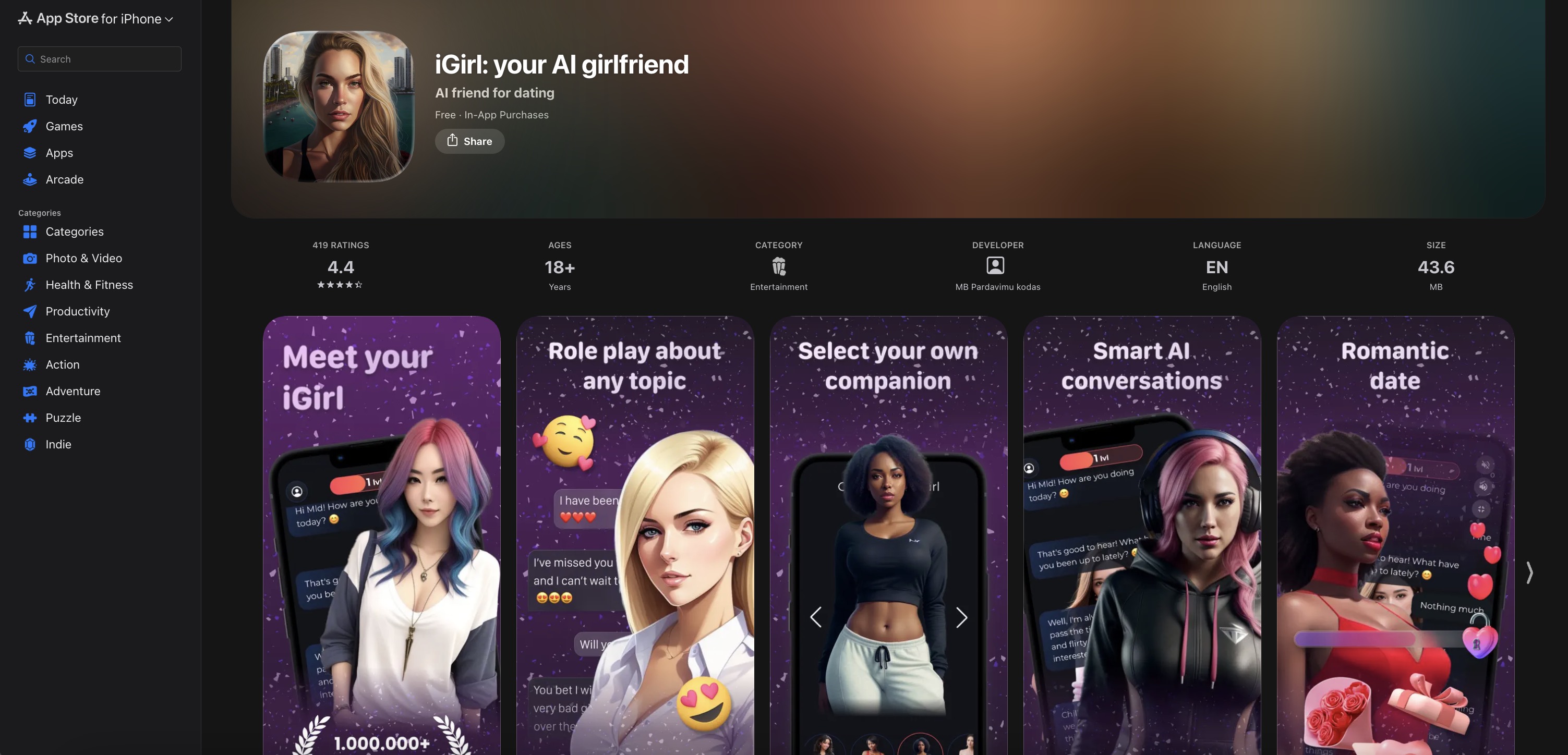
Rank 20 · Daily mobile check-ins
iGirl makes this page because it is one of the few actual mobile-first options, and $6.99/mo is easier to justify than many pricier rivals if you mainly want light everyday conversation. Voice notes, avatar customization, and a mood system suit routine use, but the softer feature set and lighter customization depth make it less flexible than the top tools for users who want a more tailored companion.
Editor's takeA sensible budget phone app for gentle daily chat, especially if you want convenience over heavy character control.
Pros
Cons
Methodology
We test these apps the way a paying adult user would approach them: sign-up flow, onboarding, persona setup, first-chat quality, memory behavior across return visits, upgrade prompts, and account controls. Where voice or image features exist, we check whether they feel central to the app or mostly decorative.
We re-check this category on an ongoing basis, with the last full re-test completed in November 2026. For scoring, we weigh conversation quality against value for money, because a polished app is less compelling if the free tier tells you almost nothing before asking you to pay.
We check whether the character keeps its tone, role, and boundaries over a longer conversation and after topic changes. A good companion app feels stable rather than resetting its personality every few turns.
We look for whether the app remembers preferences, limits, names, and prior context in a useful way. If memory exists, it has to matter on the next session, not just in the sales copy.
We check what you can actually do before paying: message depth, feature locks, and how quickly the app funnels you to upgrade. Apps score better when free use reveals enough of the real experience to judge fit.
If an app offers calls, voice replies, or images, we test whether those features add meaningfully to the companion experience. We also look at mobile usability, pacing, and whether the interface gets in the way.
We review sign-up friction, deletion options, visible policy links, and whether discreet use is respected in the account flow. Clear controls matter as much as good chat for this category.
We look at how clearly the app explains plans, renewals, and upgrade boundaries before checkout. Higher scores go to apps that make the paid jump understandable instead of relying on mystery locks.
Our scores are editorial and re-checked; policies, features, and app-store terms can change, so verify each app's current details before you subscribe.
Buyer's guide
6 topics5 min read
Searchers often lump several formats together, but they are not the same purchase decision. AI companion apps usually center on an ongoing bond with one or more persistent personas, often with memory, customization, and a mobile-first feel. That differs from tools focused mainly on open-ended scenarios, image generation, or the one-on-one formats we rank under adult AI chatbots for private conversations.
If you mainly want a continuing persona that remembers your preferences, stay here. If you care more about explicit text chat boundaries, broad character scenarios, or image generation, one of the sibling guides will be a closer fit.
| Term | What it usually means in these apps | Typical persona | Best for |
|---|---|---|---|
| AI companion apps | Persistent app-based companions with memory, settings, and ongoing chats | A recurring fictional partner or confidant | Users who want continuity across sessions |
| Adult AI companion chat | Companion-style chat with adult framing and stronger limits/settings focus | One main persona with chat-first interaction | Readers comparing conversation depth and boundaries |
| Adult AI chatbots | Broader adult bots, often less relationship-led | A bot persona for direct chatting | Users who want straightforward bot interaction |
| AI companion roleplay | Scenario-based character interaction with more emphasis on setup | A defined role or scene partner | Users who want custom scenarios and role structure |
| Adult AI generators | Media creation first, chat second or optional | A visual character concept | Users who care most about images |
Most virtual companion apps land in one of three buckets: preset characters, custom-built personas, or library-driven picks. Preset characters are the easiest starting point, but they can feel generic if editing options are shallow. Custom builders give you more control over tone, backstory, limits, and greeting style, which matters if consistency is your main goal.
Library-driven apps sit in the middle. They let you browse personas made by the platform or community, then adjust them. That can save setup time, but it also makes quality uneven. We see the best results when an app lets you start from a template and still override the details that matter to you.
Free AI companion apps are rarely fully free in the way searchers hope. The useful question is not whether an app has a free tier, but whether that tier lets you test the actual companion loop: onboarding, personality fit, memory hints, and response quality after the novelty wears off.
In weaker apps, the free layer is mostly a teaser. You get a few polished replies, then key features like stronger memory, richer media, or longer sessions sit behind the upgrade wall. Better apps reveal enough before checkout for you to judge whether the persona works for you. We score that heavily because value starts with informed consent, not surprise locks.
A practical rule: if the app asks for payment before you can tell whether the character stays coherent, treat that as a warning sign. If the free layer lets you test tone, pacing, and basic continuity first, the paid decision is much easier to defend.
AI companion apps chat still carries most of the real value. Text reveals memory, pacing, emotional consistency, and how well the app handles your instructions. Voice can deepen presence, but only if the delivery sounds natural and the app keeps context rather than treating calls like a separate mode.
Images matter less unless they support the companion identity in a coherent way. Some apps use visuals mainly as upgrade bait, while others make them part of the persona package, much like the adult AI generators we rank for image-led tools. We would still judge chat quality first, then ask whether voice or images add enough to justify paying more.
If you use these apps on a phone, voice may matter more for convenience than immersion. On web, stronger text controls and editing tools often matter more than media extras.
The apps worth paying for usually make their value obvious before checkout. They give you enough free interaction to judge personality fit, explain what paid access changes, and provide settings that help the character stay usable over time. If the app hides basic controls, vague renewal language, or deletion options, we count that against it even if the chat itself is polished.
This is also where small details matter: whether billing language is readable before purchase, whether you can manage more than one persona cleanly, and whether the app respects your preferred tone without constant correction. A subscription should buy smoother continuity, not just remove friction the app created on purpose.
The biggest shift in 2026 was not raw model size. It was product shaping. More apps now separate the companion layer from the underlying model with memory cards, persona rules, voice wrappers, and better first-run setup. That makes apps feel more distinct, but it also means you need to inspect what is native and what is just packaging.
We also saw more aggressive monetization patterns: blurred premium labels, harder nudges toward voice or image upgrades, and more effort spent on onboarding polish than on memory durability. At the same time, billing clarity and deletion controls became easier to compare because users now expect them, especially in adult-facing apps.
For you, that means the safer bet is not the flashiest app. It is the one that states its limits plainly, remembers what matters, and proves enough of itself before asking for your card.
Consent & safety
A safeword or limit in companion chat is a plain-text instruction you give the character about what should stop, soften, or switch tone. What separates stronger apps from weaker ones is not a marketing claim but behavior: does the persona acknowledge the instruction, step out of the current tone, and avoid drifting back into the same pattern later.
If an app offers persona notes, memory, profile preferences, or a character field, use that space for boundaries as well as personality. In our testing, limits are easier to preserve when they are written clearly at the start instead of introduced only after the chat has already gone off course.
Aftercare in this context means a simple wind-down: asking the character to step out of role, summarize the boundary, or shift to neutral conversation so you can end the session cleanly. If a chat starts feeling sticky or repetitive, take a break and re-check your saved instructions before continuing.
Setup template
Store this in the app's persona, memory, or character notes when available, and re-check it after major updates or a new character setup.
Privacy checklist
Before subscribing, verify the basics that affect discreet use, account control, and how much of your chat history stays attached to you.
Alias-friendly sign-up
See whether you can register with a nickname and a separate email rather than a full public identity.
Chat deletion
Check if individual chats or full histories can be deleted from inside the account, not only by contacting support.
Account deletion
Look for a clear delete-account path before you pay, and confirm whether deletion is immediate or request-based.
Training disclosure
Read the privacy policy for whether chats may be used to improve models or services, and whether any opt-out is offered.
Billing descriptor
Review checkout wording and receipts so you know how the charge may appear on your statement.
Age and access controls
Confirm the service is restricted to adults 18+ and note any verification steps before purchase.
App vs web history
If the service runs on both app and web, check whether history, settings, and deletions sync across both.
AI companion apps are apps built for ongoing conversations with an adult fictional AI persona rather than one-off chatbot prompts. The better ones add memory, character settings, and sometimes voice or images so the interaction feels continuous across sessions. When we review them, we look past the launch screens and test whether the persona stays coherent, whether the free tier is actually informative, and whether billing and account controls are clear before you pay.
The best choice depends on what you value most, but overall we favor the app on this page that balances conversation quality, memory, privacy controls, and honest value before checkout. On this ranking, JOI AI stands out because it scores well against that mix of criteria rather than excelling in only one flashy feature. We would still compare it against your must-haves, especially voice, persona customization, and how much free access you want before subscribing.
Yes, but only when the free tier lets you test the real companion experience instead of a short teaser. A worthwhile free option should reveal the character style, basic message quality, and some sign of memory or continuity before asking for payment. If free use only unlocks a few polished replies and then blocks every meaningful setting, it is useful as a demo, not as a serious trial.
It can be reasonably safe to use, but privacy varies a lot by app. Before paying, check whether you can use an alias email, delete chats, delete the account, and read how the service handles conversation data. We also recommend checking how the charge may appear on your statement and whether app and web history sync. In this category, privacy is not a bonus feature; it is part of whether the app is worth trusting at all.
Sometimes, but not reliably unless the app has a real memory or persona field and you place the instruction there. In practice, a good app should acknowledge the instruction in chat, adjust tone, and avoid slipping back into the same pattern next session. If the app offers saved character notes, store your boundaries there and test them again later, because memory behavior can change after updates or when you switch personas.
Apps with fewer content filters usually allow broader adult conversation, but that does not mean anything goes. They may still block illegal content, non-consensual framing, minors, or other prohibited themes, and they can still moderate images or voice differently from text. We judge this by how clearly the app signals boundaries and how consistently the persona responds to your stated limits, not by whether it markets itself as unrestricted.
Yes. On this page we cover a mix of mobile and web-based options, and this category specifically looks at both app feel and browser use because many readers switch between phone and desktop. Platform support can change, though, so we suggest checking the current product page or store listing for the app you shortlist. If mobile use matters most to you, prioritize voice handling, notifications, and account controls on a small screen.
Beginners usually do best with apps that offer guided onboarding, a clear character setup flow, and enough free access to understand the tone before payment. Preset personas can be easier at first, but only if the app also lets you adjust boundaries and preferences without digging through menus. We would avoid any app that pushes an upgrade before you can judge conversation quality, because that makes it harder to tell whether the fit is real or just good packaging.
AI companion apps are usually built around continuity: one recurring persona, memory, and a more relationship-like chat loop. Roleplay chatbots often focus more on scenario setup, character switching, and scene structure. If you mainly want a persistent companion, this page is the better fit. If you want more scene-led interactions and character framing, see AI Companion Roleplay.
Start with chat. Text makes it easiest to judge memory, pacing, tone consistency, and whether the character respects your instructions. Voice is worth prioritizing if you mainly use your phone or want more presence, but only if it keeps context well. Images can be a nice extra, yet they are rarely the deciding factor in long-term satisfaction unless the app ties them closely to the same persona you are already chatting with.
Next step
We signed up for and tested all 20 platforms in this category — start with our top pick or browse every review.
This directory is for adults 18+. Scores reflect our own hands-on testing and editorial opinion. Disclaimer.